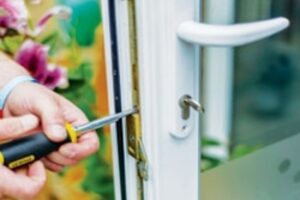
Understanding Smart Door Locks: A Comprehensive Guide
In an era where innovation permeates every aspect of life, smart door locks have become a substantial improvement in home security. These innovative gadgets not just provide boosted defense for residential homes but also offer convenience and peace of mind to property owners. This article delves into the functions, types, advantages, and considerations of smart door locks, intending to furnish readers with essential understanding in making informed choices concerning their home security.
What are Smart Door Locks?
Smart door locks are electronic locking mechanisms that can be managed remotely, normally through a smart device app, key fob, or biometric recognition approaches such as finger prints. Unlike standard locks, which run entirely on mechanical secrets, smart locks leverage digital innovation to improve security and convenience.
Key Features of Smart Door Locks
- Remote Access: Users can lock or open their doors from anywhere in the world using their smart devices.
- Keyless Entry: Many smart locks offer keyless entry options, such as keypad entry or smart device access.
- Activity Logs: Most smart locks keep logs of who got in or exited the home and when, supplying an included layer of awareness.
- Integration with Smart Home Systems: Many smart locks can be incorporated with existing home automation systems, enabling seamless control of numerous devices.
- Short-lived Access Codes: Homeowners can send out short-lived gain access to codes to visitors, such as home cleaners or technicians, allowing them to enter without a physical secret.
Kinds Of Smart Door Locks
Smart door locks can be categorized into several classifications based upon their functionalities and techniques of operation.
| Kind Of Smart Door Lock | Description |
|---|---|
| Keypad Locks | Require a numeric code to unlock the door. |
| Smart Device App Locks | Open through a devoted app on a smartphone. |
| Biometric Locks | Usage finger prints or facial recognition to grant access. |
| Smart Deadbolts | Change conventional deadbolts with smart technology. |
| Smart Lever Locks | Change basic door handles with smart levers. |
Advantages and disadvantages of Smart Door Locks
Pros:
- Convenience: No keys required, minimizing the threat of lockouts.
- Improved Security: Features such as tamper informs and automated locking increase security.
- Remote Monitoring: Homeowners can monitor entry and exit from anywhere.
- Custom-made Access: Create distinct codes for relative or service workers.
Cons:
- Dependence on Technology: If the battery dies or there is a malfunction, access may be lost.
- Cost: Smart locks can be more pricey than traditional locks.
- Cybersecurity Risks: It is vital to practice care to avoid hacking.
Advantages of Smart Door Locks
Smart door locks supply various benefits. Below are some considerable advantages that come with installing these gadgets:
- Increased Security: Smart locks often have functions that allow for automated locking and alerts for unauthorized gain access to efforts.
- Convenience for Homeowners: Today's busy lifestyles imply that smart locks can help simplify gain access to for locals, enabling them to go into without fumbling for secrets.
- Access Management: Homeowners can manage member of the family' gain access to with ease and limit entry when required.
- Peace of Mind: Knowing who goes into the home and when can alleviate issues for house owners, particularly when they are away for extended periods.
- Integration with Other Smart Devices: Smart locks can synchronize with home security systems, cameras, lighting, and other smart home features, producing a cohesive system.
Considerations When Choosing a Smart Door Lock
When picking a smart door lock, a number of aspects need to be thought about to ensure that the selected gadget satisfies specific needs:
- Compatibility: Verify that the lock is compatible with existing smart home systems or devices.
- Source of power: Check if the lock uses batteries, USB, or hardwiring, and consider ease of power replacement.
- Security Features: Look for advanced security choices, such as alarm and encryption protocols.
- User Reviews: Research client reviews for efficiency insights and ease of use.
- Installation: Determine if the lock is DIY-friendly or needs professional installation.
FAQs About Smart Door Locks
1. What takes place if the battery in my smart lock passes away?
Most smart locks have a backup key option or will permit temporary gain access to through a mobile phone app if the battery is low.
2. Can I use my smartphone to unlock my smart door lock?
Yes, lots of smart locks included a smartphone app that allows you to open the door from anywhere.
3. Are smart locks secure?
While smart locks generally use enhanced security, they are not invulnerable to hacking. It's necessary to keep software application updated and utilize strong, unique passwords.
4. Can I set up a smart lock myself?
The majority of smart locks are created for easy installation, however some may need professional help. It depends on the design and compatibility with your existing door hardware.
5. Do smart locks work during a power blackout?
Smart locks usually run on battery power, so they need to work during a power interruption, but it's good to inspect the specific model for any restrictions.
Smart door locks are a testimony to the technological evolution of home security, offering a mix of benefit and safety. With various types available, property owners can pick devices that best suit their lifestyles and security needs. repairmywindowsanddoors.co.uk of functions and compatibility can result in satisfying choices that enhance the security of one's home while streamlining access for relative and visitors. As these technologies continue to advance, they stand poised to reshape how individuals think of home security for years to come.